Businesses today usually want applications that are pretty fast, reliable too, and also easy to manage. At the same time, they want to lower infrastructure expenses and spend more energy on innovation, not so much server upkeep. This is where serverless computing (sometimes called “serverless” cloud) starts feeling like a real option, not just buzzword stuff.
The benefits of serverless computing aren’t only about saving money. It lets organizations build, release, and scale apps without actually tending to physical servers. Developers can focus more on writing code, while cloud providers quietly take care of the underlying setup in the background, so the team doesn’t have to babysit compute resources.
In this guide, you’ll get a clear idea of what serverless computing really is, along with its big advantages, common use cases, a few challenges that can pop up, and why a lot of organizations are choosing this modern cloud approach right now.
What Is Serverless Computing?
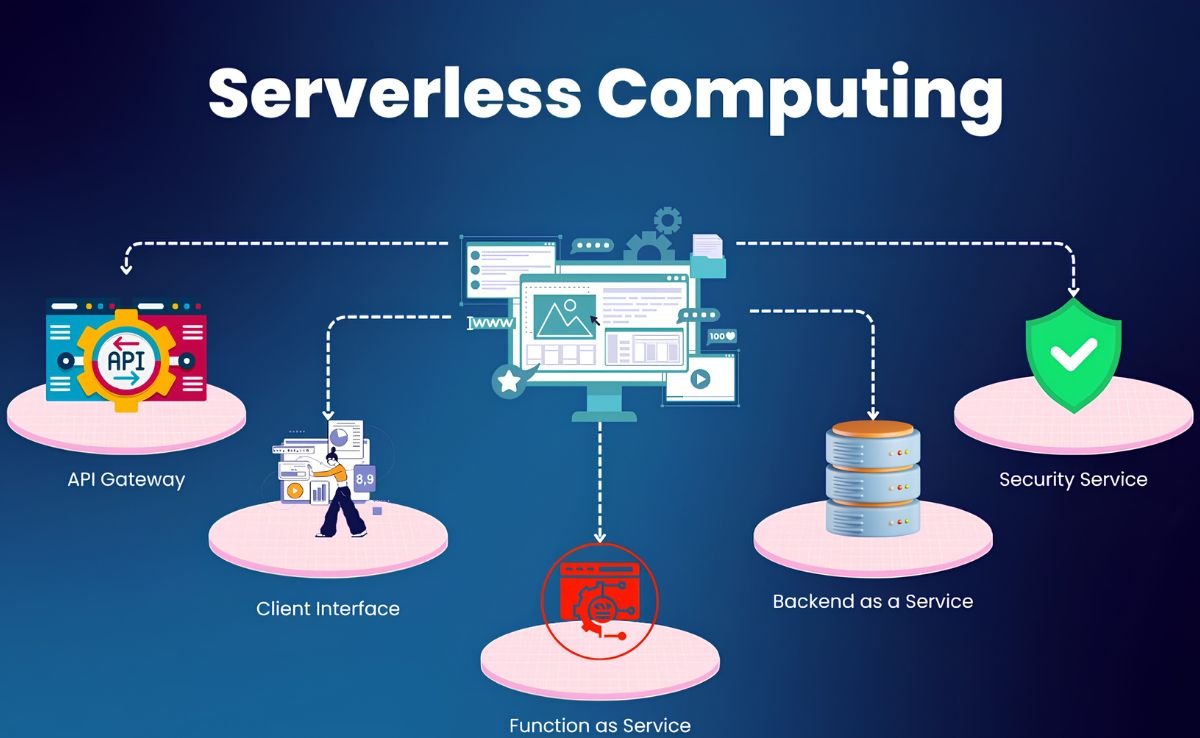
Serverless computing is a cloud computing model where the cloud provider manages the servers, the operating systems, the scaling, and the whole infrastructure in a kind of hands-off way. Developers only have to write and deploy application code; that’s basically it.
Even if the name sounds like there are no servers at all, servers still do exist. What changes is that the business does not have to manage or maintain them in practice. The cloud provider handles provisioning, updates, security patches, and also scaling invisibly.
How Does Serverless Computing Work?
In a serverless environment, applications run as individual functions. These functions are triggered by specific events, such as
- A user submitting a form
- A file upload
- A database update
- An API request
- A scheduled task
Benefits of Serverless Computing
The benefits of serverless computing make it a no-brainer for startups, growing businesses, and also for large enterprises alike.
1. Lower Infrastructure Costs
One of the biggest benefits of serverless computing is cost efficiency, really.
- With traditional servers, companies end up paying for infrastructure even when the apps are basically idle.
- Serverless platforms, in contrast, usually charge only for the actual computing resources that are consumed.
2. Faster Application Development
Developers don’t have to spend time managing servers or wrestling with infrastructure configuration.
Instead, they can focus on things like
- writing code
- building new features
- improving user experience
- fixing bugs
That shift speeds up software development and helps shorten release cycles.
3. Reduced Server Management
Server management often turns into a never-ending list, including
- software updates
- security patches
- hardware maintenance
- performance monitoring
With serverless computing, the cloud provider takes on those responsibilities.
4. Improved Resource Efficiency
Traditional servers are frequently underused.
- Serverless computing, by allocating resources only when needed, tends to make better use of compute power while reducing waste.
That is one of the practical benefits of serverless computing, especially for businesses aiming to optimize cloud spending.
5. High Availability
Many cloud providers build serverless services on highly available infrastructure.
- This improves application reliability
Common Use Cases of Serverless Computing
Serverless computing supports many modern business applications.
Common use cases include:
- Web applications
- Mobile application backends
- API development
- Real-time file processing
- Image and video processing
- Chatbots
- Data analytics
- IoT applications
Challenges of Serverless Computing
Even though the advantages of serverless computing can be quite big, businesses should really take a moment to grasp the limitations too. In other words, it’s not only the benefits , it also has some constraints that matter.
Some common challenges include:
- Cold start delays for inactive functions
- Vendor dependency
- Limited execution time for some functions
- Monitoring distributed applications
- Debugging complex workflows
Best Practices for Serverless Applications
To get the best results from serverless computing:
- Secure APIs and user data.
- Optimize function execution time.
- Use proper logging and monitoring tools.
- Test applications before deployment.
Who Should Use Serverless Computing?
Serverless computing works well for many organizations, including:
- Startups
- Small businesses
- Software companies
- E-commerce businesses
- Healthcare applications
- Financial technology companies
- Educational platforms
- Media services
Future of Serverless Computing
Serverless computing keeps growing, kind of as cloud tech keeps evolving and changing, at least that’s what it feels like. A lot of companies are mixing serverless services with things like artificial intelligence and machine learning, and also container-based applications, which is sort of a natural fit. And as cloud platforms get better, those serverless setups are likely to become more efficient, more locked down, and also easier to oversee, day to day. In the same way, organizations that move toward current cloud architectures now will probably be in a stronger position to scale up and to innovate later.
Conclusion
Serverless computing benefits make it one of the most popular cloud computing approaches for modern businesses. By removing the need to manage servers, organizations can cut expenses , enhance scalability, speed up application development, and spend more time on delivering better digital experiences.
Whether you are launching a startup, modernizing enterprise applications, or building cloud-native software, serverless computing offers a flexible and efficient solution. With the right planning, security, and monitoring, businesses can take full advantage of a serverless architecture to improve performance, encourage innovation, and remain competitive in today’s fast-changing technology landscape.
FAQs
Q1. What is serverless computing?
Serverless computing is a cloud model where the cloud provider manages the infrastructure, so developers can mainly focus on building and running the application code without thinking too much about the servers themselves.
Q2. What are the main benefits of serverless computing?
The main benefits of serverless computing usually cover lower costs, automatic scaling, quicker development cycles, less server management, better efficiency, and improved application availability.
Q3. Is serverless computing completely server-free?
No. Servers are still there; just businesses don’t need to manage them or keep them maintained because the cloud provider handles the underlying setup and all that.
Q4. Which businesses benefit most from serverless computing?
Often startups, software companies, e-commerce businesses, healthcare organizations, and even larger enterprises with variable workloads can get the most out of serverless computing.
Q5. What are the challenges of serverless computing?
Some challenges include cold starts, vendor lock-in, execution time limits, and the monitoring of distributed applications, which can get tricky fast.
Also read more about: How to Start a Successful Escape Room Business in 2026